Pizza Guides
What Makes the Best Pizza? The Complete Guide
Great pizza is not an accident. It is the sum of dough, sauce, cheese, heat, and timing working together. Here is what actually separates the best pizza from the rest.
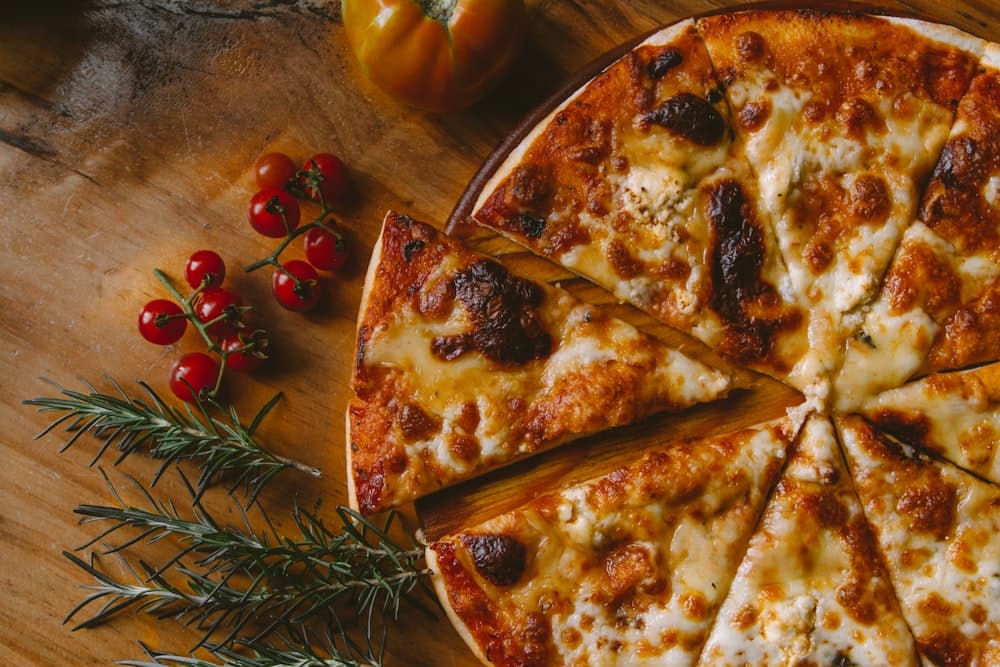
Ask ten people what makes the best pizza and you will get ten different answers. Some swear by a thin, crackly base; others want a thick, chewy edge they can fold in half. Some judge by the toppings, others by the char on the bottom. But here is the thing almost everyone gets wrong: the best pizza is not about any single ingredient. It is about a short list of fundamentals working together in balance.
Get those fundamentals right and almost any style tastes incredible. Get them wrong and no amount of premium topping will save it. This guide breaks down the five things that matter most, in the order they matter, so you know exactly what to look for the next time you order, and how to tell genuine quality from clever marketing.
1. The dough is the foundation
Everything starts with the dough. A good dough is not just flour and water thrown together an hour before service. It is mixed, rested, and given time to ferment so the flavour develops and the texture becomes light instead of dense. The dough is the largest single component of almost any pizza, and it is the part you taste from the first bite to the last bit of crust, so it deserves the most attention.
Two things separate great dough from forgettable dough:
- Fermentation time. Dough that rests for many hours, often a full day or more, develops a deeper, slightly tangy flavour and a more digestible, airy crumb. Quick dough simply cannot replicate this.
- Hydration and handling. The right amount of water and gentle shaping by hand create those open air pockets that make a crust tender inside and crisp outside.
You can usually see good dough before you taste it. Look at the outer rim of the crust: it should have colour, some blistering, and an airy, slightly irregular structure rather than a uniform, pale, machine-pressed look. If you want to go deeper on why fermentation matters so much, we wrote a whole piece on the secret behind Jomaas pizza dough.
2. Sauce should taste like tomatoes
The best pizza sauce is simple. Ripe tomatoes, a little salt, and just enough seasoning to round it out. It should taste bright and fresh, not flat or overly sweet. Over-reduced, sugary sauce is a common shortcut that masks low-quality tomatoes, and once you notice it, you cannot unnotice it.
Sauce also has to be applied in the right amount. Too much and it floods the base, steaming the crust soft from underneath before it can bake. Too little and the pizza tastes dry. A confident kitchen uses a measured layer that supports the cheese and toppings rather than drowning them.
The mark of a confident kitchen is a sauce that lets the tomato speak. If you taste sugar before you taste tomato, something is off.
3. Cheese that melts, stretches, and browns
Cheese is where pizza becomes pizza. Real mozzarella melts into a smooth layer, stretches into that satisfying pull, and develops golden, toasty spots in the oven. The goal is even coverage that complements the toppings rather than burying them.
Quality matters enormously here. Low-grade, overly wet cheese releases water and oil as it melts, leaving a greasy, pooling surface instead of a clean, cohesive layer. And contrary to popular belief, more cheese is not better; past a certain point it traps grease, melts unevenly, and overwhelms everything else. We dig into the science of the perfect melt in cheese-pull perfection, but the short version is this: quality cheese, applied with a light hand, beats a thick blanket of low-grade shreds every time.
4. Heat changes everything
Pizza is built around high, even heat. A hot oven sets the crust quickly, traps moisture inside, and creates the contrast between a crisp bottom and a soft interior. It is also what gives the cheese its golden spots and the crust its blistered edge. Bake it too cool and the crust dries out before the top is done, leaving you with a pale, leathery result. The best kitchens know their oven intimately and bake each pizza to that sweet spot every single time.
This is also why pizza is so time-sensitive after it comes out. The clock starts the moment it leaves the oven, which is why hot, fast delivery is part of quality too, something we cover in how Jomaas keeps pizza hot.
5. Balance ties it all together
Here is the part most people miss: the best pizza is balanced. No single element dominates. The crust supports the sauce, the sauce lifts the cheese, the cheese carries the toppings, and every bite tastes complete. A pile of toppings on a weak base is not a great pizza, it is a salad on cardboard.
When you are choosing toppings, restraint usually wins. Three or four well-chosen toppings almost always beat a kitchen sink of eight. Our ultimate guide to pizza toppings walks through combinations that actually work together and explains how to manage moisture so your pizza never turns soggy.
How the elements compare
| Element | What great looks like | Common shortcut |
|---|---|---|
| Dough | Long fermentation, hand-shaped | Same-day, machine-pressed |
| Sauce | Bright, tomato-forward | Sweet, over-reduced |
| Cheese | Real mozzarella, even melt | Heavy low-grade blend |
| Bake | Hot oven, crisp base | Cool oven, pale crust |
| Balance | Every element in proportion | One element drowns the rest |
How to judge a pizza in five seconds
You do not need to be an expert to spot quality. Before your first bite, run through this quick mental checklist:
- The edge: does the crust have colour, air, and a little char, or is it pale and uniform?
- The cheese: are there golden-brown spots, or is it flat and rubbery?
- The toppings: are they placed with intent, or just dumped on?
- The bottom: lift a slice. Is it crisp and structured, or limp and soggy?
- The aroma: does it smell of baked bread, sweet tomato, and toasted cheese?
A pizza that passes all five is the work of a kitchen that cares about the fundamentals.
Frequently asked questions
Is thin crust or thick crust better?
Neither is objectively better; they are different experiences. Thin crust highlights the toppings and the bake, while thick crust is about that pillowy, bready bite. See our thin crust vs thick crust breakdown to find your side.
Does more cheese make a better pizza?
No. Past a certain point, extra cheese weighs the pizza down, traps grease, and drowns the other flavours. Balance beats volume every time.
How can I tell quality pizza before I taste it?
Look at the crust edge for colour and air pockets, check that the cheese has browned spots rather than sitting pale, notice whether the toppings are placed thoughtfully, and lift a slice to see if the bottom is crisp.
Why is fresh-baked pizza so much better than reheated?
Pizza is at its peak straight from a hot oven, when the crust is crisp and the cheese is molten. It begins to soften and set the moment it cools, which is why hot delivery and proper reheating matter so much.
At Jomaas, getting these fundamentals right is the whole job. If you are hungry now, browse the menu and taste the difference balance makes.